
Beyond Focus Groups: Creative Uses for Market Research Spaces
By: Jenna Piccotti
While the traditional focus group remains a staple of qualitative research, the needs of modern brands have evolved. As these needs become more complex, the most successful researchers are finding ways to push these professional spaces even further. By utilizing the versatility of a modern research facility, businesses can create immersive and engaging environments that capture more authentic behaviors. If you’re thinking about breaking out of the usual routine, here are three creative ways to reimagine your next research session:
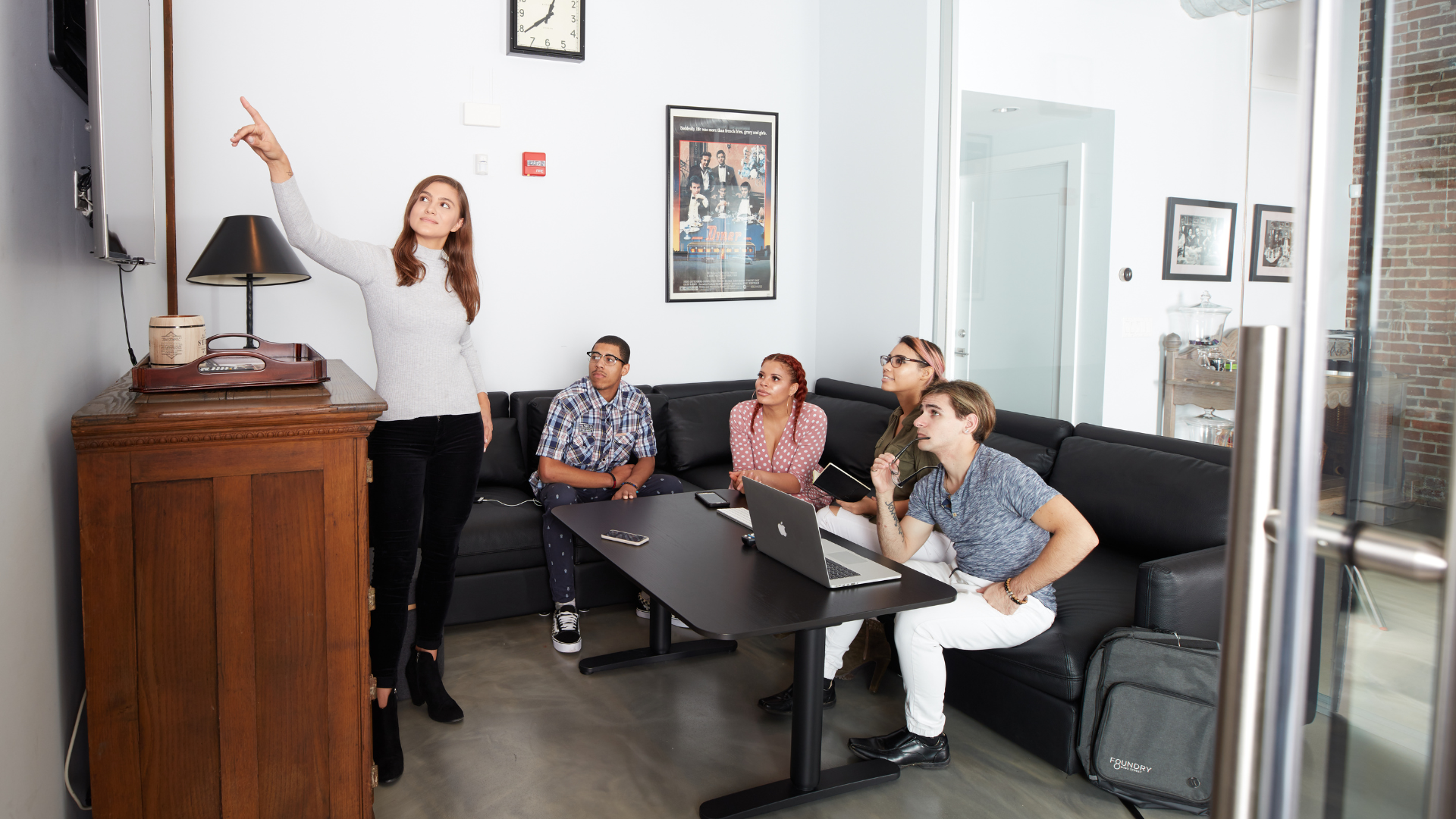
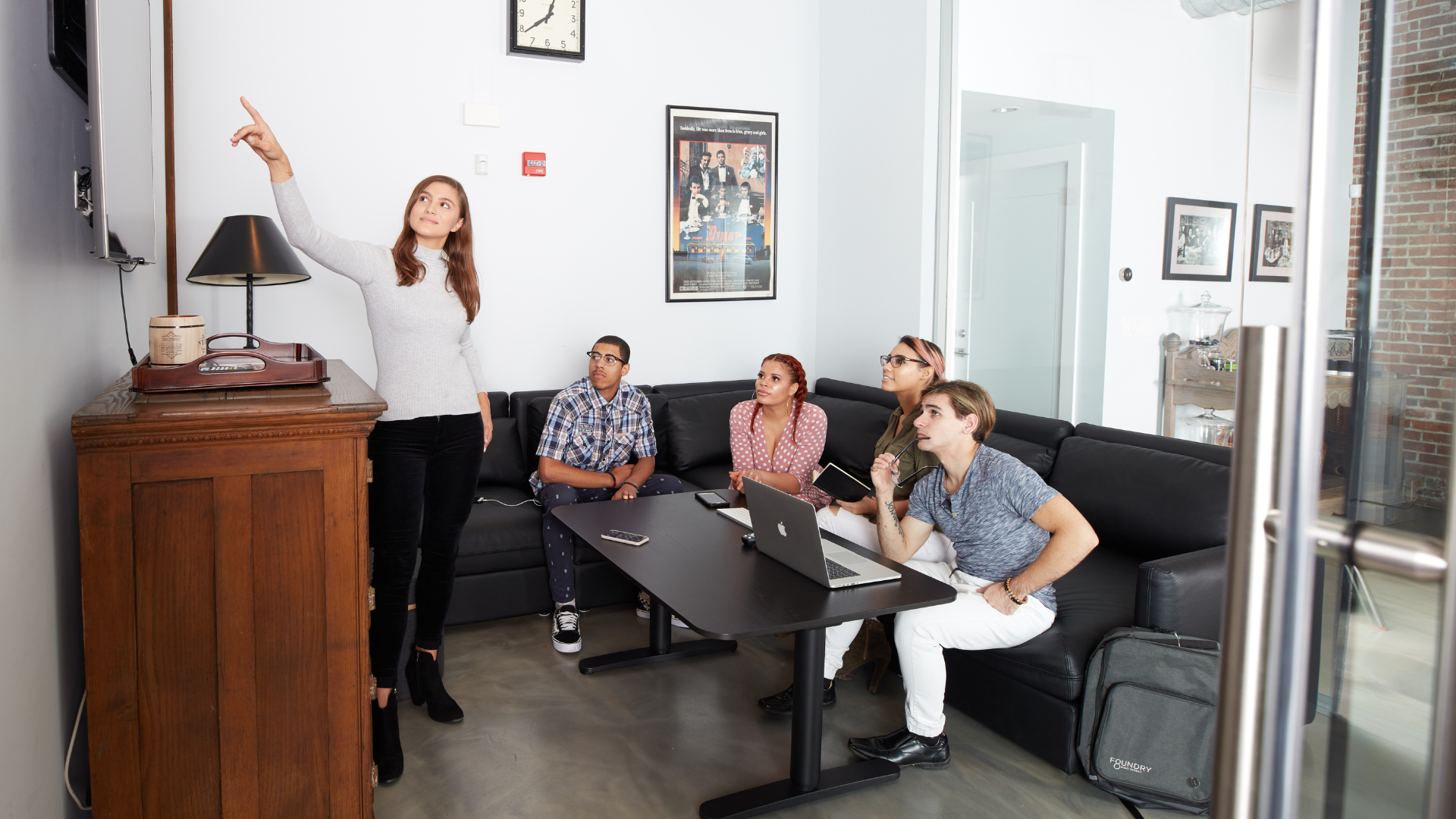
The Living Room Simulation: Observing "Natural" Behavior
The Concept: Swapping conference chairs for couches and coffee tables to create a relaxed, laid-back feel.
The Use Case: Ideal for observing natural product interaction, media engagement, and decision-making. A living room setting encourages participants to behave as they would at home, revealing authentic usage patterns, habits, and behavioral responses rather than staged feedback.
The Benefit: It reduces "Social Desirability Bias": the tendency for participants to give the "correct" answer because they feel like they are in a test.
Source Insight: Industry experts often cite that environmental familiarity increases physiological relaxation, leading to more honest emotional feedback.
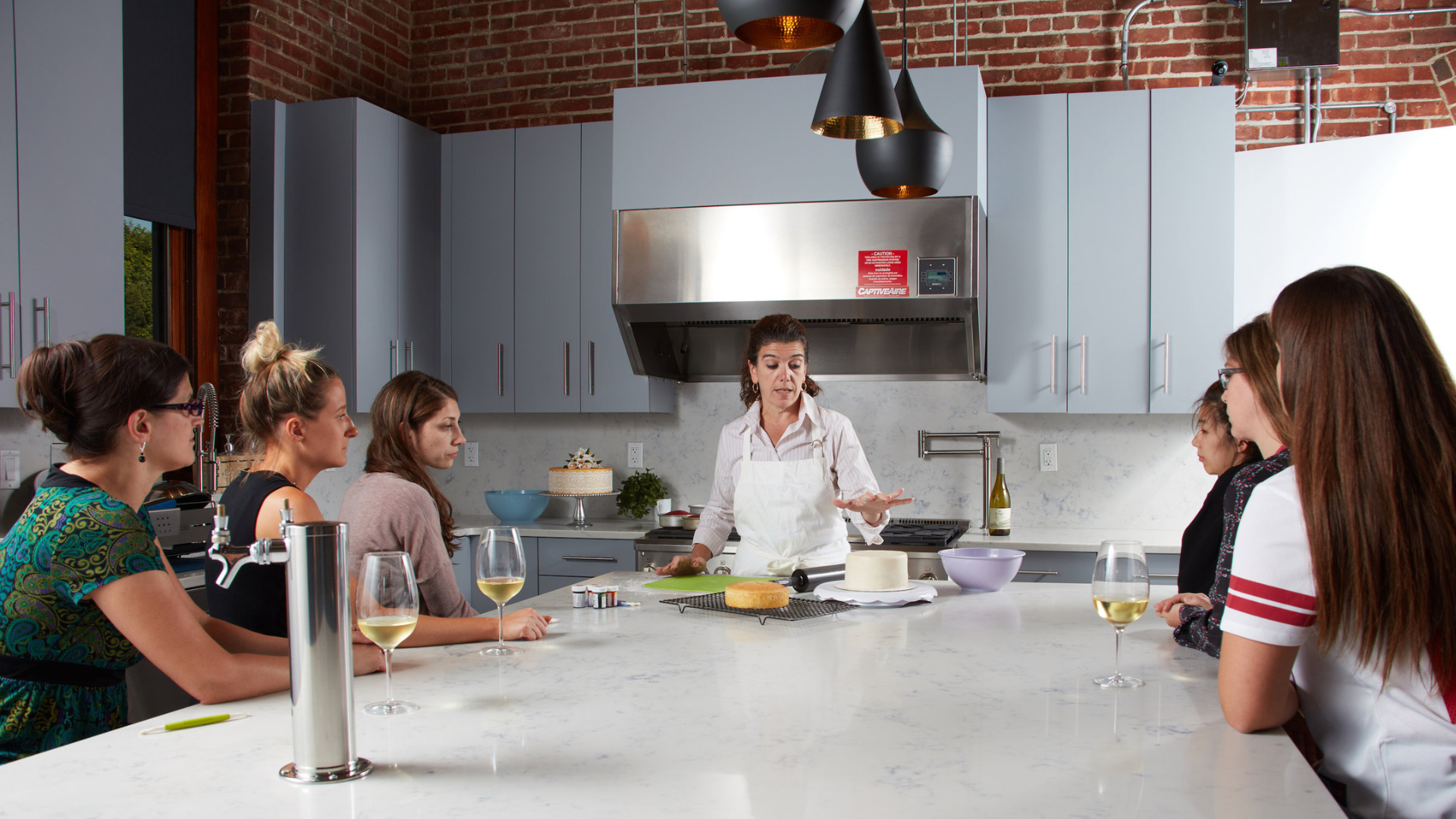
The Culinary Lab: Moving food and beverage research out of an office setting and into a high-functioning kitchen environment.
The Use Case: Instead of just tasting a finished product, researchers can watch the preparation journey. Participants can interact with food products in a more relaxed and appropriate environment.
For example: how do users handle the food product and packaging? Are the instructions on the box useful when someone is busy at the stove?
The Benefit: It captures "real-world" pain points that a standard interview room may miss.
Pro Tip: This is ideal for testing food and beverage products, kitchen appliances, meal kits, and even packaging durability and use in the correct “real-life” environment.
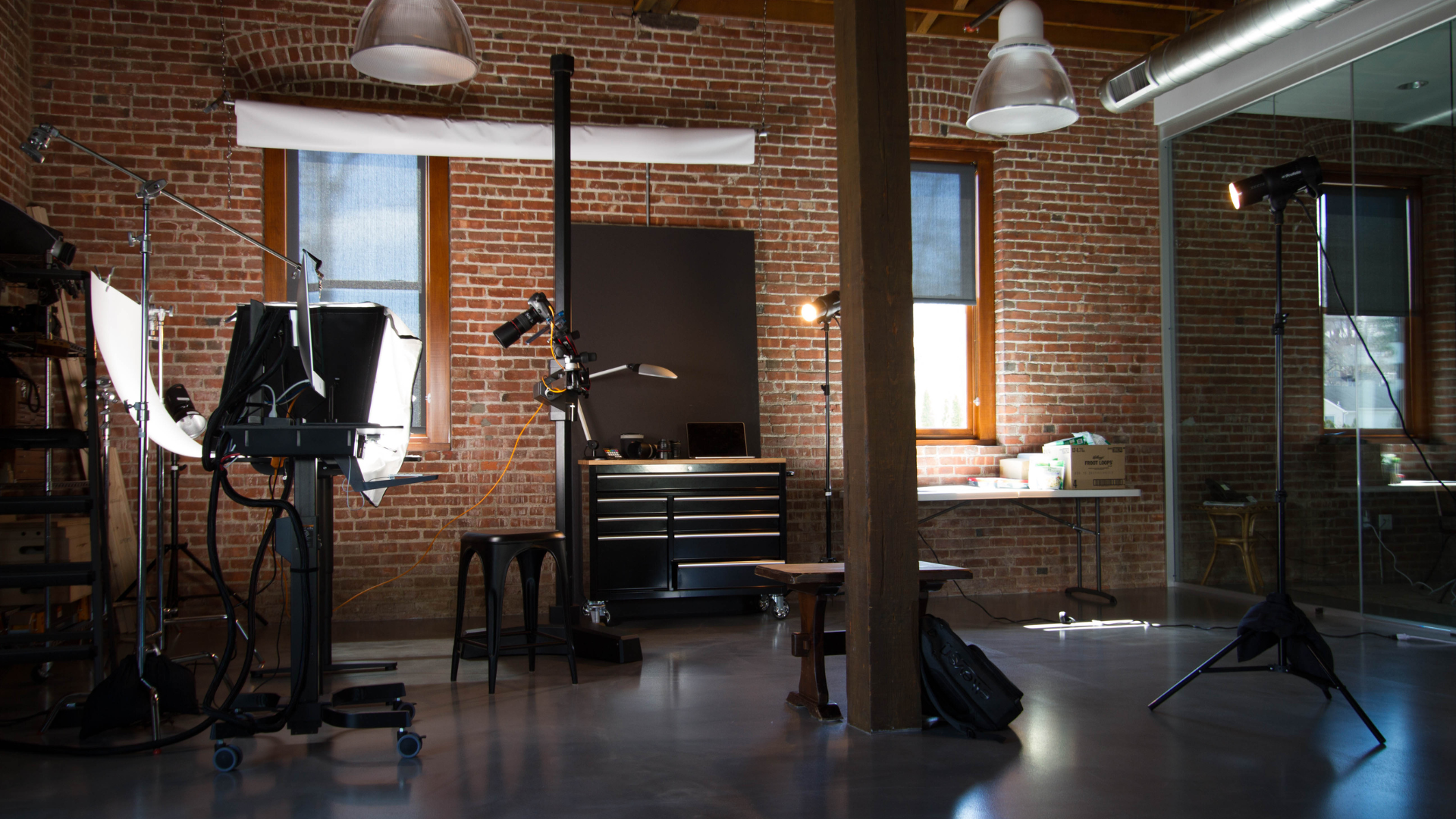
The Content-Forward Insight Space
The Idea: Viewing the research facility as a dual-purpose production studio.
The Use Case: As research is conducted, the space can be used to capture high-quality interviews, reactions, and product interactions.
The Benefit: This creates immediate, shareable content and internal highlight reels that bring insights to life and make findings more compelling and impactful.
In today’s research landscape, the question isn’t whether to run focus groups; it’s how to make them work harder for your brand. By rethinking the environment where information is gathered, researchers can move beyond surface-level feedback and uncover the behaviors, emotions, and decision-making patterns that drive consumer choices. Whether it’s creating a living room, a working kitchen, or a content-ready studio, these immersive spaces make research feel more natural and engaging. The result isn’t just better data, it’s insight that feels real and leads to smarter business decisions.